Tools of the Trade: Photographing the Hand Tools Quarrymen Left Behind
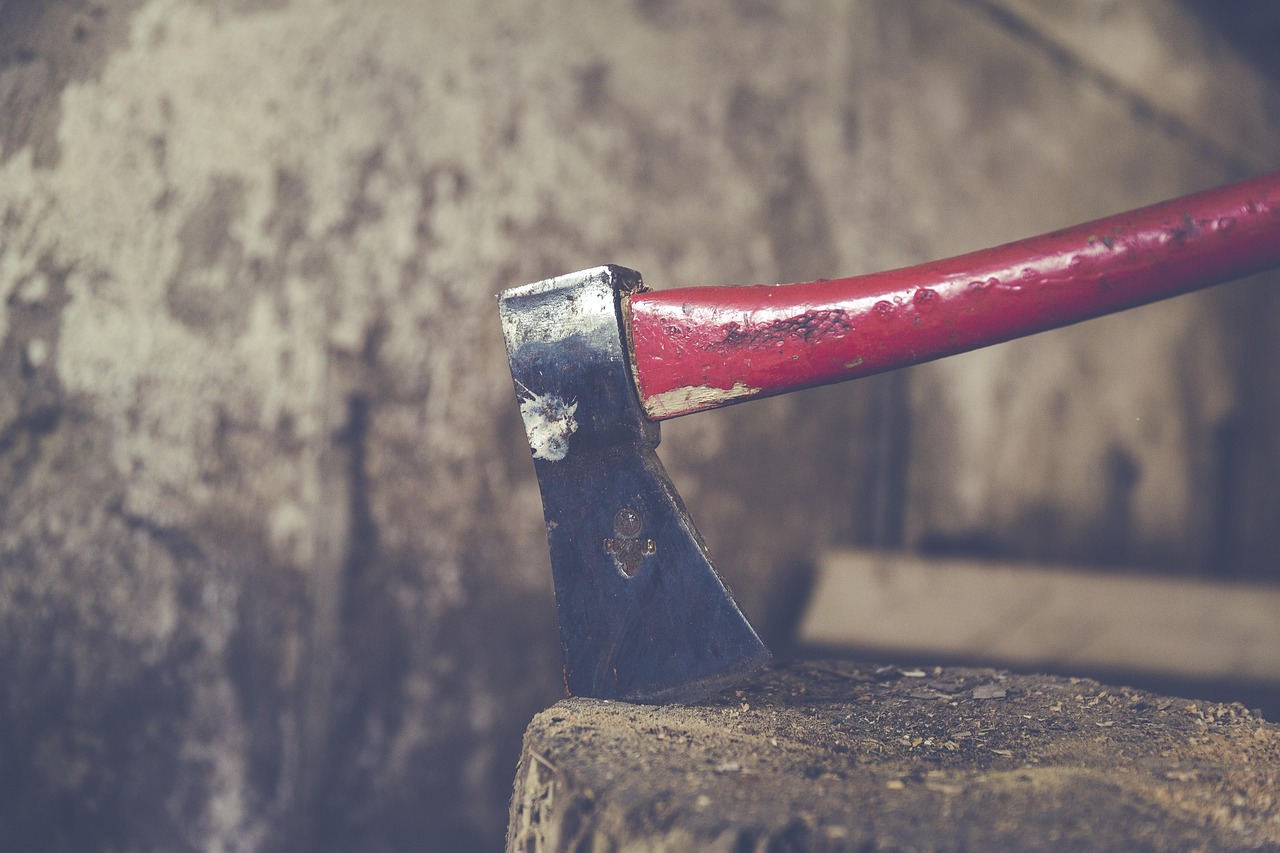
The big machinery gets all the attention. Cranes, locomotives, winding engines — they are photogenic and they photograph easily. But the objects that move me most in an abandoned quarry are the small ones. A plug and feather set left on a windowsill. A hammer with a split handle. A tin mug. A pair of boots. These are the things that put a human hand back into a landscape that otherwise reads as pure geology.
Quarrying, for most of its history, was a hand trade. Before compressed air and diamond wire, rock was split with wedges driven into a line of drilled holes. The plug and feather — a tapered wedge between two curved shims — is the tool that shaped most of the slate and granite in Britain. Finding a set still in place on a working bench is like finding a sentence that was never finished.
Photographing these objects well requires a different approach from landscape work. You are essentially making still lifes, and the rules are the same ones a studio photographer would follow. The object needs to be isolated from clutter, lit so its form is clear, and photographed from an angle that reveals what it is and how it was used.
Light and Isolation in a Hostile Environment
The trouble is that quarries are messy. Your subject is usually sitting on a bed of rubble, surrounded by broken slate, weeds, and rubbish. You cannot move the object — that would be both dishonest and, in many cases, illegal. So you have to move yourself, and choose a viewpoint where the background falls away into shadow or out of focus.
A long lens helps. Standing back and shooting at 85mm or 135mm compresses the scene and lets you throw the background out of focus without moving anything. Wide apertures do the rest. If the light is flat, a small reflector or a piece of white card can bounce a little fill onto the shadow side without destroying the natural feel of the scene.
Try not to handle the objects. Rust and patina are part of the photograph, and skin oils will change them. If you must move something to see it better, put it back exactly as you found it. Other photographers will thank you.
Building a Series
Single images of tools are fine, but a series works better. Pick a theme — cutting tools, lifting tools, personal effects, lighting — and photograph consistently. Same lens, same light, same distance. The repetition creates a rhythm, and the small variations between objects become the point.
A series of twenty hand tools photographed in the same way, each one sitting where it was left, tells a story about labour that no wide landscape can. It is also the kind of project that can be built over many visits, in any weather, without needing perfect conditions. That makes it a good discipline for the months when the light is bad and the big shots are not working.