Photographing Quarries Without Trespassing
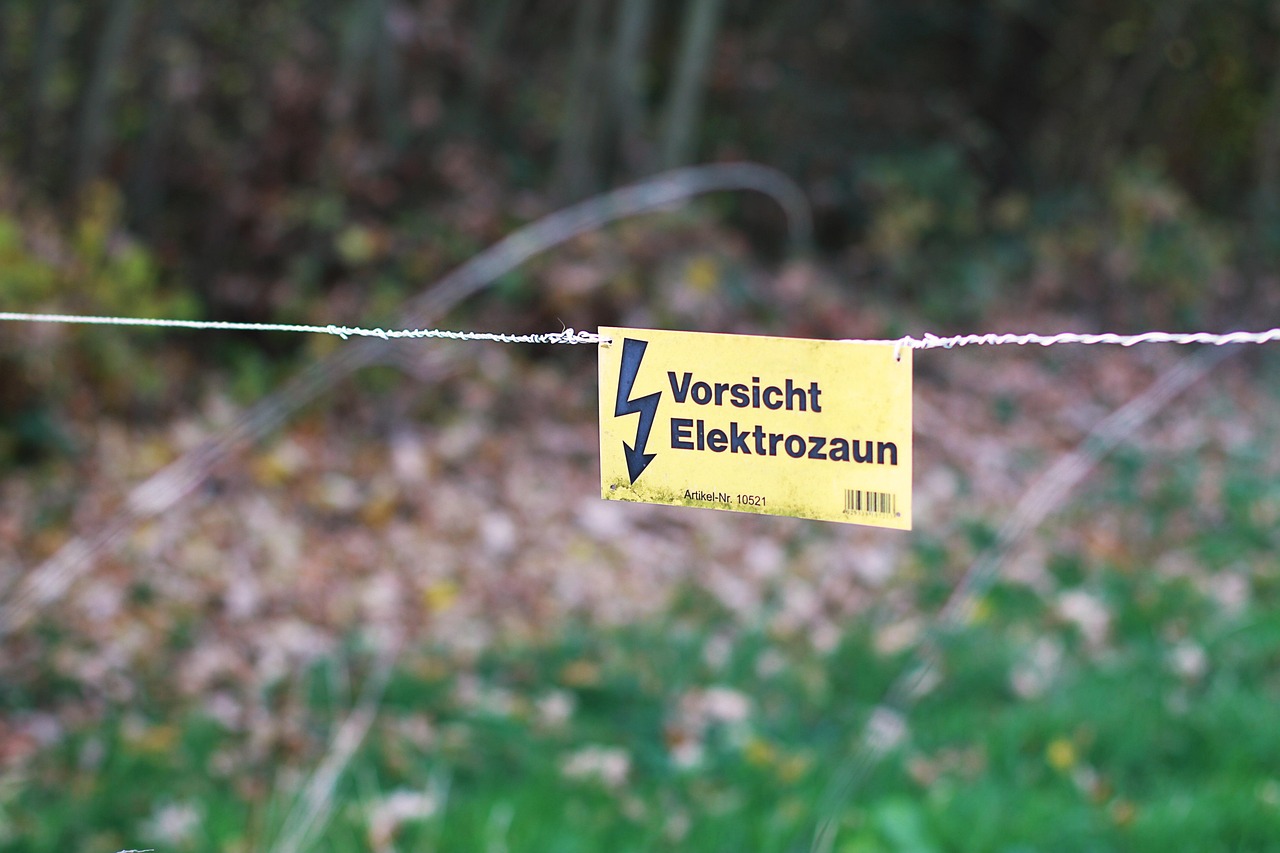
Sooner or later every quarry photographer faces the same problem: the best-looking site is behind a locked gate with a faded sign. The temptation is obvious, and so is the risk. Disused quarries are genuinely dangerous places — unstable faces, deep water, hidden shafts, rotten walkways — and they are almost always private land. Getting a good photograph is not worth an injury or a court appearance, and there is more legal access out there than most people realise if you go about it the right way.
Start with what is public. Many quarries sit on or beside public footpaths, country parks, nature reserves and cycle routes, and the view from the path is often the classic one anyway. Flooded pits are frequently managed for fishing or diving, which means there is a club, a car park and a viewpoint. Heritage railways and industrial museums preserve whole quarry complexes with full access. A little research on maps and local websites will usually turn up two or three legal options before you ever consider knocking on a farmer's door.
Asking for Permission the Right Way
Permission is easier to get than people expect, but it has to be asked properly. Find out who owns the land — the local council, a farming estate, a quarry company, a wildlife trust — and write a short, specific email. Say who you are, what you want to photograph, when you would like to visit, and how long you expect to be there. Offer to share any images they might find useful, and make it clear you will follow their safety instructions. Do not turn up unannounced with a tripod and expect a warm welcome.
When permission is granted, treat it as a privilege. Stick to the areas you were told, wear the safety gear they ask for, and never wander off alone into a working or unstable part of the site. If a site manager walks you in, listen to what they say about the ground and the faces; they know where the rock falls. And send them a few photographs afterwards. A landowner who has had a good experience is far more likely to say yes to the next photographer who asks.
Shooting Respectfully When You Are Allowed In
Once you are inside a site legally, the ethics do not stop. Do not move or remove anything, even a loose brick, and do not add graffiti, cairns or markers for a composition. Leave gates as you find them, take all your litter home, and keep your distance from wildlife — old quarries are often important habitats for bats, birds and rare plants, and disturbing them can be both harmful and illegal. If you fly a drone, check the rules first; many sites and most nature reserves prohibit it, and permission for a person on foot is not permission to fly.
There is also a quieter responsibility: how you present the place. Captions that name a fragile site and give directions can lead hundreds of people to somewhere that cannot cope with them. I often keep locations vague unless the site is already well known and managed for visitors. The photograph is the point, not the coordinates. Done this way, quarry photography can be a lifelong pursuit without a single locked gate or angry landowner along the way — and the pictures are no worse for it.