Chasing First Light in a Disused Slate Quarry
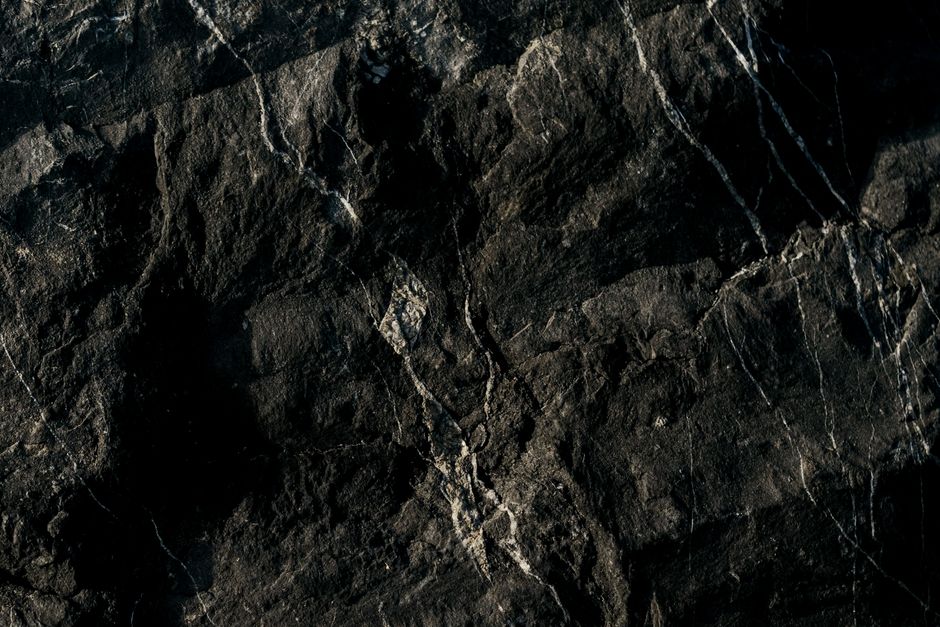
The alarm goes off at 4:15, and for the first few minutes I always ask myself why I do this. Then I remember the last time I stood at the rim of a flooded slate pit as the sky turned from grey to pale gold, and the water went completely still. That is the payoff. Quarries are strange places at dawn. Unlike a mountain lake, a quarry holds its own weather — cold air sinks into the cut and pools there, so mist lingers in the pit long after the surrounding fields have cleared. On a good morning you get layers: mist on the water, clean rock above it, and a sky that does the rest.
The trick is arriving before you think you need to. I aim to be walking in while there is still just enough light to see my footing, because the ten minutes before the sun clears the rim are usually the best. The water is glass, the shadows are soft, and there is no wind yet. Once the sun is up, everything changes fast — contrast hardens, the mist burns off, and the pit turns into a completely different photograph. Both versions can be good, but they are not the same shot, and you only get one chance at each per day.
Reading the Water and the Rock
Flooded quarries are not all equal. The colour of the water depends on what was mined and what is still dissolving into it. Slate pits often run deep and dark, almost black-green, which makes reflections crisp and moody. Limestone quarries tend toward a milky turquoise that looks almost tropical, especially in flat light. Iron-heavy water stains the rock orange below the waterline, and that rust line becomes a natural horizon in your frame. I look for that line first, because it tells me where to stand.
Composition in a quarry is mostly about edges. The terraced benches left by the old workings are ready-made leading lines, and the vertical faces give you scale. I usually carry one wide lens and one short telephoto. The wide lens is for the big reveal — the whole amphitheatre of rock and water. The telephoto is for compression: stacked benches, a lone ladder, a rusted winch house against the far wall. Dawn light rakes across textures, so even a plain stone wall becomes interesting if you get low and shoot along it rather than at it.
Practical Notes from the Rim
Safety matters more here than in most landscape work. Quarry edges are often loose, especially after rain, and what looks like solid ground can be a crust over rubble. I stay back from the lip unless there is a clear, worn path, and I never trust a fence that has been standing in the weather for forty years. A headtorch, sturdy boots and a walking pole for probing wet ground are not overkill. Neither is telling someone where you are going, because phone signal in a deep pit is often nonexistent.
As for gear, keep it simple and light. Tripod, a couple of filters, a cloth for the spray that collects on the front element near waterfalls or weirs. I rarely use more than a six-stop ND, and often nothing at all, because the stillness at dawn does the work. If you are new to quarry photography, pick one pit and visit it three or four times in different weather before you move on. The place will teach you its own light, and that knowledge is worth more than any new lens.