The Quiet After the Blast: Photographing a Quarry's Last Working Day
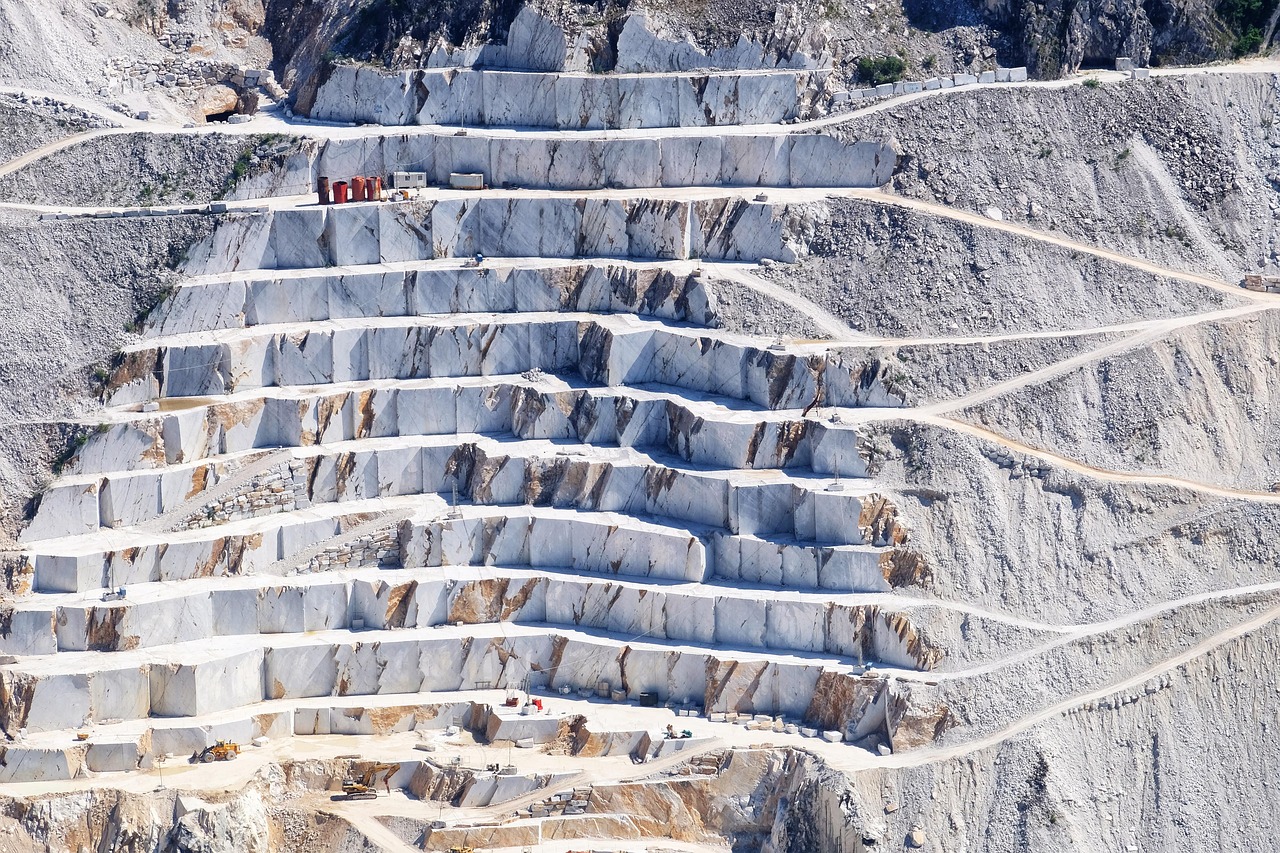
There is a particular kind of quarry that sits between working and abandoned. The gates are chained but the chain is new. The haul road is still firm underfoot. A calendar on the site office wall shows a month that ended only a few years ago. Photographing these places is different from shooting a quarry that has been silent for a century, because decay has not yet done its work. Instead, you are photographing interruption — a place that was left in the middle of a sentence.
My first visit to a recently closed granite quarry in the north of England stayed with me for weeks. The dragline sat where the operator had parked it. A mug, cracked and furred with mould, still rested on the control desk. Fluorescent tubes hung unbroken in the workshop. Nothing had been looted, nothing had collapsed. The site was simply waiting for a shift that would never arrive.
This is the moment to photograph with restraint. The temptation is to dramatise — to push contrast, to shoot everything at golden hour, to make the place look haunted. Resist it. What makes these sites remarkable is their ordinariness. The noticeboard with its safety posters. The row of hi-vis vests on hooks. The half-finished cup of tea. These details tell the story more honestly than any wide shot of a flooded pit.
Working with Available Light Indoors
The buildings on a recently closed site are usually still weatherproof, which means you are photographing interiors with whatever light comes through the windows. That light will be soft, directional, and often very dim. A tripod is not optional. Neither is patience. I tend to meter for the brightest window and let the shadows fall where they will, because lifting them too far produces the flat, HDR look that makes industrial photography feel like a video game screenshot.
Look for light that falls across surfaces with texture — rusted steel, painted concrete, the ribbed rubber of a conveyor belt. Side light is your friend. If a room is too dark, come back at a different time of day rather than reaching for a flash. Flash kills the atmosphere in these spaces faster than almost anything else.
What to Photograph Before It Changes
Sites like this rarely stay untouched for long. Within a year or two, metal thieves, vandals, and the weather will have rearranged everything. Photograph the things that will disappear first: paper notices, fabric, anything loose. Then photograph the fixed machinery, because that will outlast everything but will never again sit in such clean, working order.
Finally, take a record shot of the whole site from a distance, even if it is not a beautiful image. In ten years, when the place has been cleared and the pit flooded, that plain photograph will be the one you are glad you made.